
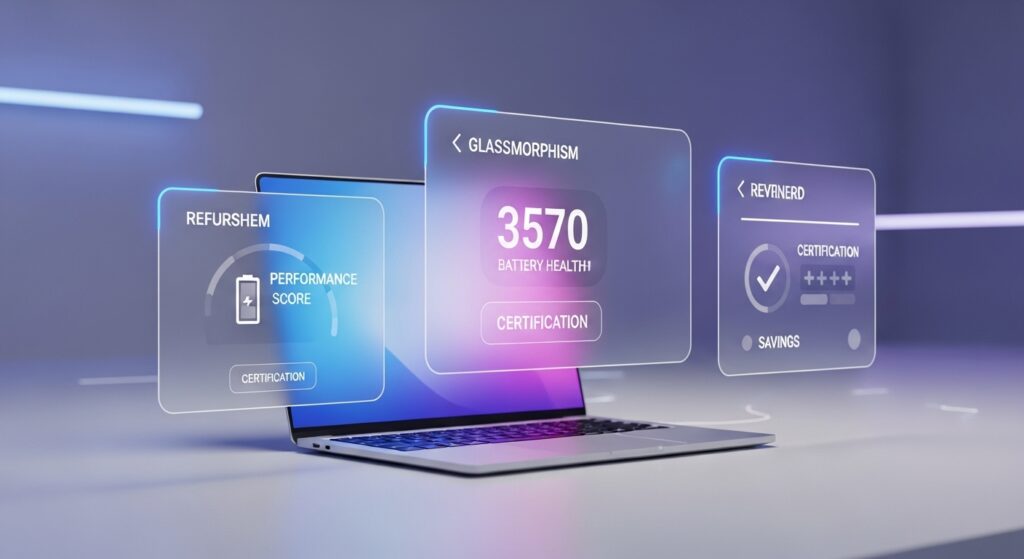
Refurbished laptops are a smart, budget-friendly choice when bought from trusted sellers. They are professionally tested, repaired, cleaned, and restored to reliable working condition-often going through stricter quality checks than new devices. You can save 20–50% while still getting solid performance for study, work, and everyday use, plus a short warranty for safety. However, expect minor cosmetic wear, slightly older specs, and shorter warranty periods. Overall, refurbished laptops offer excellent value, especially for students, professionals, and anyone who wants reliable performance at a lower cost.
Shopping for a laptop on a budget? You’ve probably seen refurbished options at tempting prices. But are refurbished laptops actually good enough for daily use?
A refurbished laptop is a pre-owned device that’s been professionally tested, repaired, and restored to working condition. Many buyers worry these are just “used” laptops with hidden problems. The truth is different. Quality refurbished laptops go through strict testing that often exceeds what new laptops receive.
This guide explains what refurbished means, how the process works, and whether these laptops deliver reliable performance. You’ll learn about cost savings, warranties, quality grades, and where to buy safely. We’ll also cover environmental benefits and potential drawbacks.
The refurbished electronics market continues growing rapidly—valued at $61.81 billion in current data and projected to reach $121.99 billion with a 10.2% annual growth rate through the next decade. More people seek affordable, sustainable tech options. Understanding how refurbishment works helps you make smart buying decisions that benefit your wallet and the planet.
Table of Contents
Understanding Refurbished vs. Used vs. New
A refurbished laptop is a pre-owned device returned to a manufacturer or certified refurbisher. It undergoes professional inspection, repair, testing, and cleaning. The goal is restoring it to like-new working conditions.
This makes refurbished laptops very different from used ones. Used laptops are sold as-is by individual sellers. They rarely include warranties or professional testing. Refurbished units must pass quality checks before resale.
Where Refurbished Laptops Come From
Several sources supply the refurbished market:
- Customer returns: Buyers return devices due to minor defects or simply changing their minds
- Open-box items: Packaging was opened or damaged, but the laptop works perfectly
- Off-lease business equipment: Companies replace laptops after lease periods end
- Display models: Store floor units that customers tested
Key Differences at a Glance
Type | Professional Testing | Warranty Coverage | Typical Source |
New | Factory standard | 1-3 years | Manufacturer |
Refurbished | Rigorous multi-point inspection | 90 days to 1 year | Certified refurbishers |
Used | Little to none | Rarely included | Individual sellers |
Laptops enter refurbishment for various reasons. Some have cosmetic imperfections like scratches. Others had software issues that are easily fixed. Component failures get repaired with replacement parts during the refurbishment process.
How Laptops Are Professionally Refurbished
Understanding the refurbishment process shows why quality units can match new laptop performance. Here’s what happens step by step.
The Six-Step Refurbishment Process
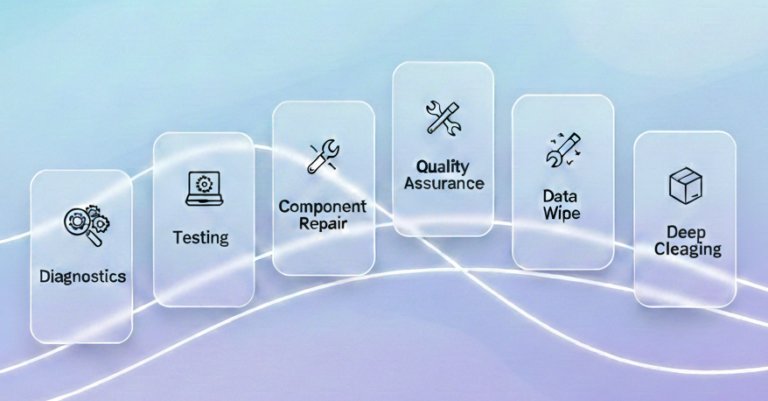
- Initial Assessment
Technicians run diagnostic tests on every hardware component. They identify which parts work properly and which need replacement. - Component Repair and Replacement
Broken parts get replaced with OEM or quality equivalent components. Common replacements include batteries, hard drives, RAM modules, and keyboards. This step ensures every component functions correctly. - Deep Cleaning
The external casing receives thorough cleaning and sanitizing. Technicians also remove internal dust and reapply thermal paste to prevent overheating. - Software Restoration
The operating system gets reinstalled through a factory reset. Latest drivers and firmware updates are applied. Security patches ensure the laptop is protected against known vulnerabilities. - Quality Assurance Testing
Each laptop undergoes multi-point inspection using detailed checklists. Performance benchmarking confirms speed and reliability. Stress testing checks the battery, display, ports, and wireless connectivity. - Grading and Certification
Technicians assess cosmetic conditions and assign quality grades (A, B, or C). A certification label is applied before the laptop is packaged for sale.
Manufacturer vs. Third-Party Refurbishment
Not all refurbishment is equal. Manufacturer-refurbished laptops meet original factory standards and use genuine OEM parts. They typically include longer warranties.
Certified third-party refurbishers can also be reputable. They often offer lower costs but maintain varying standards. Non-certified sellers carry higher risk with minimal guarantees.
Learn more about how to check a refurbished laptop before buying to verify quality yourself.
Proven Advantages of Buying Refurbished
Quality refurbished laptops offer several real benefits. Here’s what makes them attractive to smart buyers.
Significant Cost Savings
Refurbished laptops cost 20-50% less than identical new models. This price difference gives you access to premium specs at mid-range prices.
For example, a laptop that sells new for $800 might be available refurbished for $400-$500. Students and small businesses find these savings especially helpful.
Reliability Comparable to New
Recent industry research shows refurbished laptops from certified sellers often match or exceed new laptop reliability. While fewer than 5% of new laptops fail from malfunctions in the first year, an additional 8% fail in subsequent years.
Why are refurbished units reliable? They undergo more intensive testing than new ones. Defective components are already identified and replaced before you receive the laptop. This extra scrutiny can make refurbished options more dependable.
Warranty Protection
Most refurbished laptops from reputable sellers include 90-day to 1-year warranties. Many also offer return policies lasting 14-30 days. Customer support helps resolve any issues that arise.
This warranty protection separates refurbished laptops from used ones sold without guarantees. Learn more about what laptop warranties cover to understand protection details.
Environmental Sustainability
Buying refurbished reduces electronic waste significantly. No new manufacturing means lower carbon emissions. You’re supporting circular economy principles that extend product lifecycles.
Research indicates refurbished products can reduce carbon footprint by around 30% compared to new electronics. The growing e-waste problem makes this benefit increasingly important for environmentally conscious buyers.
Better Value Proposition
Refurbishment makes higher-end models affordable. Previous-generation flagship laptops often have excellent specs that remain adequate for most users.
Performance for work, school, web browsing, and streaming rarely requires the latest technology. Refurbished laptops deliver what you actually need at prices that fit real budgets.
Often Include Upgrades
Many refurbishers install new SSDs for faster performance. Fresh batteries restore full capacity. Updated firmware and software come pre-installed.
These upgrades can make a refurbished laptop perform better than it did when new.
Who Benefits Most
Certain buyers gain maximum value from refurbished laptops:
- Students on tight budgets needing reliable laptops for coursework
- Small business owners equipping teams cost-effectively
- Casual users focused on web browsing, documents, and streaming
- Professionals needing secondary or backup devices
- Environmentally conscious buyers prioritizing sustainability
Explore refurbished vs. used laptops to understand why refurbished offers better value than simply buying used.
What to Consider Before Buying
Refurbished laptops aren’t perfect for everyone. Understanding limitations helps you decide if they’re right for you.
Cosmetic Imperfections
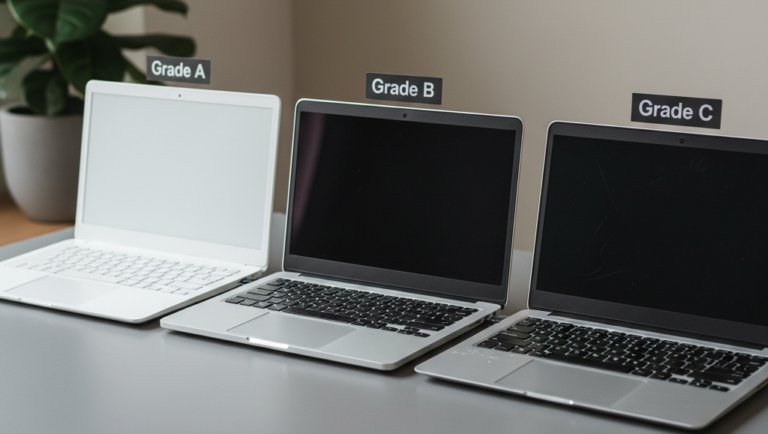
Grade B and C laptops may show visible scratches or dents. These cosmetic issues don’t affect functionality. Grade A units typically look near-pristine.
Decide how much appearance matters to you versus saving money.
Battery Life Considerations
Used batteries may have reduced capacity even after testing. Check whether the battery was replaced during refurbishment.
Expect 70-85% of original capacity unless a new battery was installed. This matters for users who need all-day portable use.
Limited Availability
The latest laptop models rarely appear refurbished immediately. Stock depends on return and trade-in volumes. Popular configurations sell quickly.
If you need cutting-edge technology, buying new makes more sense.
Shorter Warranty Periods
Refurbished warranties typically last 90 days to 1 year. New laptops include 1-3 year warranties. Extended warranties for refurbished units may cost extra.
Consider whether shorter coverage concerns you based on your usage needs.
Seller Quality Varies
Risk increases with unknown third-party sellers. Non-certified refurbishers may cut corners on testing. Marketplace sellers on platforms like eBay or Amazon third-party require extra caution.
Always verify seller reputation before purchasing.
Older Technology
Most refurbished units are 1-3 years old. They may lack newer ports like USB-C or Thunderbolt 4. Processors are generations behind current models.
For basic tasks, older technology works fine. Power users may want newer specs.
Understanding Quality Grades
Refurbished laptop grading systems help you know what to expect. Here’s how grades break down.
Grade A (Excellent)
Grade A laptops show minimal to no cosmetic wear. They look almost like new with fully functional performance. All original accessories are typically included. These command the highest prices within refurbished options.
Grade B (Good)
Grade B units have minor cosmetic flaws like light scratches. Performance remains fully functional. Original packaging may be missing. Mid-range pricing makes these popular choices.
Grade C (Fair)
Grade C laptops show noticeable wear and tear. Possible dents or scuffs are visible. Despite appearance, they’re 100% functional. These offer the lowest cost option.
Off-Grade or Seller Refurbished
Grade | Cosmetic Condition | Price Point | Best For |
A | Like-new appearance | Highest | Buyers prioritizing appearance |
B | Minor scratches | Mid-range | Best value balance |
C | Visible wear | Lowest | Maximum budget savings |
These laptops lack standardized testing. Risk is higher without certification. Avoid unless the seller has strong reviews and clear return policies.
Choosing Reputable Refurbished Laptop Sellers
Where you buy matters as much as what you buy. Trusted sources minimize risk.
Manufacturer-Certified Programs (Best Option)
These programs offer highest quality and best warranties:
- Dell Outlet: Factory-certified refurbishment with OEM parts
- Apple Certified Refurbished: Rigorous testing and one-year warranty
- Lenovo Outlet: Certified pre-owned with full support
- HP Renew: Professional refurbishment program
- Microsoft Certified Refurbished: Surface devices restored to factory standards
Manufacturers use original parts and factory standards.
Authorized Retailers
Reputable retailers also sell quality refurbished laptops:
- Best Buy Outlet: Geek Squad certified inspection
- Amazon Renewed: Amazon-backed guarantee and easy returns
- Newegg: Tech-focused marketplace with buyer protection
- B&H Photo: Professional-grade equipment specialists
These platforms vet their refurbished inventory and offer buyer protection.
What to Look For
Before buying, verify these elements:
- Clear return policy (minimum 14 days)
- Warranty information stated upfront
- Accessible customer service contact
- Detailed condition descriptions
- Customer reviews and seller ratings
Red Flags to Avoid
Watch for warning signs indicating unreliable sellers:
- No warranty offered
- Vague condition descriptions
- Poor seller ratings
- “As-is” listings without guarantees
- Unrealistically low prices suggesting scams
Find detailed guidance on the best places to buy refurbished laptops for safe purchasing.
Final Thoughts on Refurbished Laptops
Refurbished laptops offer excellent value for budget-conscious buyers when purchased wisely. Quality varies significantly based on seller reputation and refurbishment processes used.
Manufacturer-certified options provide the best reliability and warranty protection. Environmental benefits make refurbished choices sustainable alternatives to buying new. The market’s continued growth, with projections showing double-digit annual increases, reflects growing consumer confidence in professionally refurbished electronics.
These laptops work well for students, professionals, and everyday users. They’re not ideal for users needing the latest technology or longest warranty coverage.
Refurbished laptops represent smart purchases when bought from trusted sources. While they may show minor cosmetic wear and include shorter warranties, their thoroughly tested components and significant cost savings make them reliable options. The key is researching the seller, understanding grading systems, and checking warranty terms before purchasing.
Understanding the refurbishment process and knowing where to buy helps consumers make informed decisions. These choices benefit both personal budgets and environmental sustainability, reducing e-waste while delivering dependable technology at accessible prices.